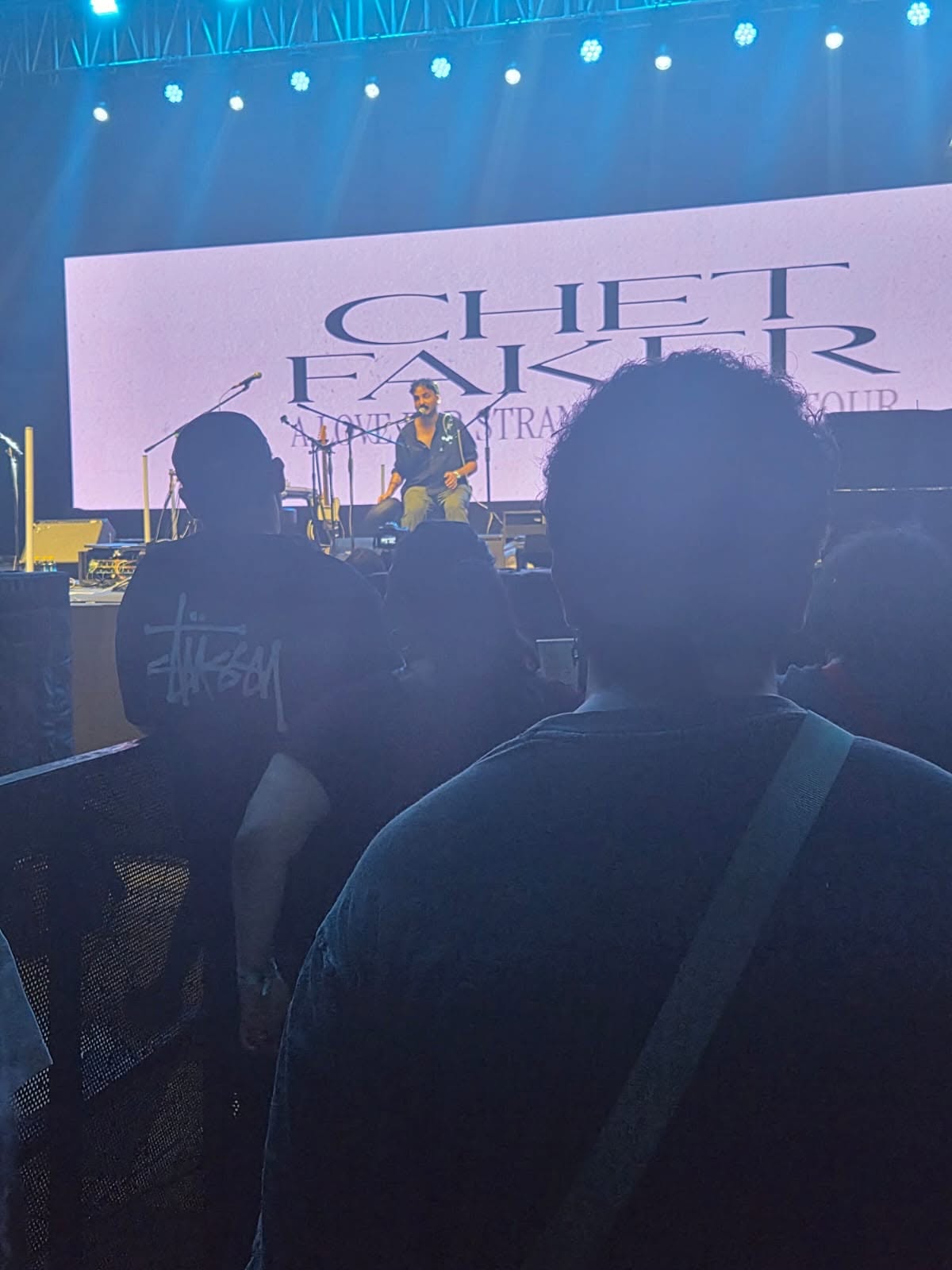
Opening for Chet Faker
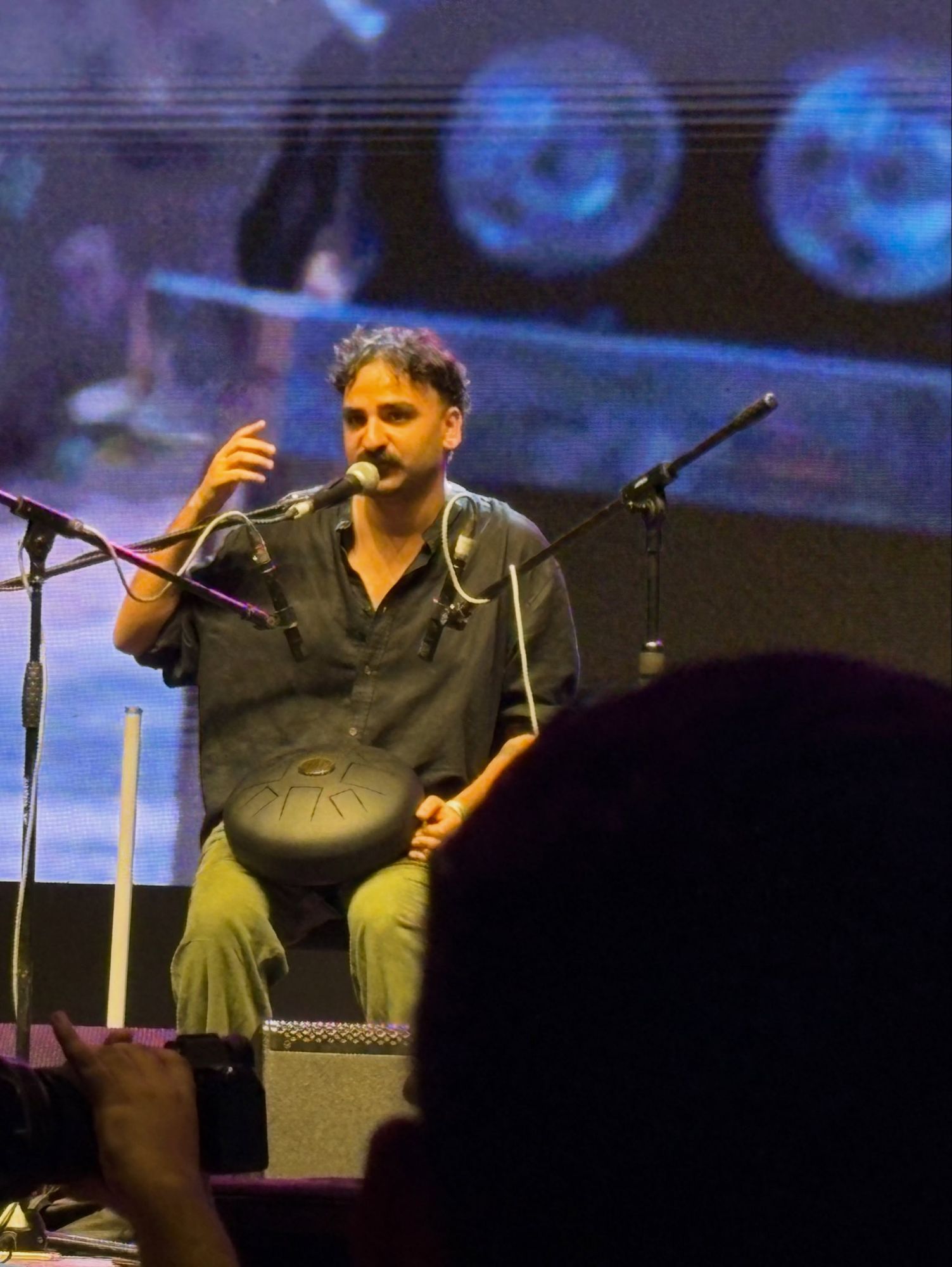
Ashim opened the Delhi NCR show of Chet Faker's A Love For Strangers India tour, presented by Skillbox.
Ashim's post about the night (opens in a new tab)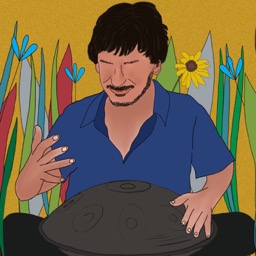 Home
Home
HandpanInstrumental musicDelhi, India
Ten years with one instrument. Still listening.

“May (Amaltas)” is the first of four songs following Delhi’s seasons through the trees that announce them. This one belongs to summer, and to the amaltas: the golden showers that bloom across the city in May, just as the heat arrives. It is also Ashim’s first new music in four years.
Nine notes on the handpan, nine songs. Touch a note to hear it, then play the song it opens.
Touch a note
Each one opens a song.
D Celtic Minor, as on Ashim’s Chirp handpan · synthesised in your browser
 May (Amaltas)
Single
2026
May (Amaltas)
Single
2026
 Chaos in the Ocean
Single
2022
Chaos in the Ocean
Single
2022
15 July 2022 · with Vedant Sharma
 Hillsong
Single
2022
Hillsong
Single
2022
12 February 2022
 Riding With Kachchu
Single
2021
Riding With Kachchu
Single
2021
 Going Somewhere
Single
2020
Going Somewhere
Single
2020
20 October 2020
 Raindrops
Live single
2020
Raindrops
Live single
2020
1 August 2020 · with Vishi Kant · Live at a house concert, Delhi
 Recovery
Single
2020
Recovery
Single
2020
15 July 2020 · with Vedant Sharma
 Machlu Ki Baatein
Single
2020
Machlu Ki Baatein
Single
2020
5 July 2020 · with Vedant Sharma
 Landour Ki Hawa
Single
2020
Landour Ki Hawa
Single
2020
26 June 2020 · with Vedant Sharma
 Live (House Concert Delhi)
Live single
2020
Live (House Concert Delhi)
Live single
2020
9 June 2020 · Live at a house concert, Delhi
 Sounds of Schwanheim
Single
2020
Sounds of Schwanheim
Single
2020
5 June 2020 · with Abhishek Sekhri
 Kalkaji to Khirkee
Single
2020
Kalkaji to Khirkee
Single
2020
 Bodhgaaon Bulaye
Single
2020
Bodhgaaon Bulaye
Single
2020
 Chai With Partner
Single
2020
Chai With Partner
Single
2020
11 May 2020 · with Abhishek Vidyarthy Singh & Vishi Kant
All music, everywhere
Concerts, festivals and performances in India and internationally.
Ashim opened the Delhi NCR show of Chet Faker's A Love For Strangers India tour, presented by Skillbox.
Ashim's post about the night (opens in a new tab)No dates announced just yet.
Announcements land here first, and on Instagram. Programming a festival, a venue or a private event?
Send a booking enquiry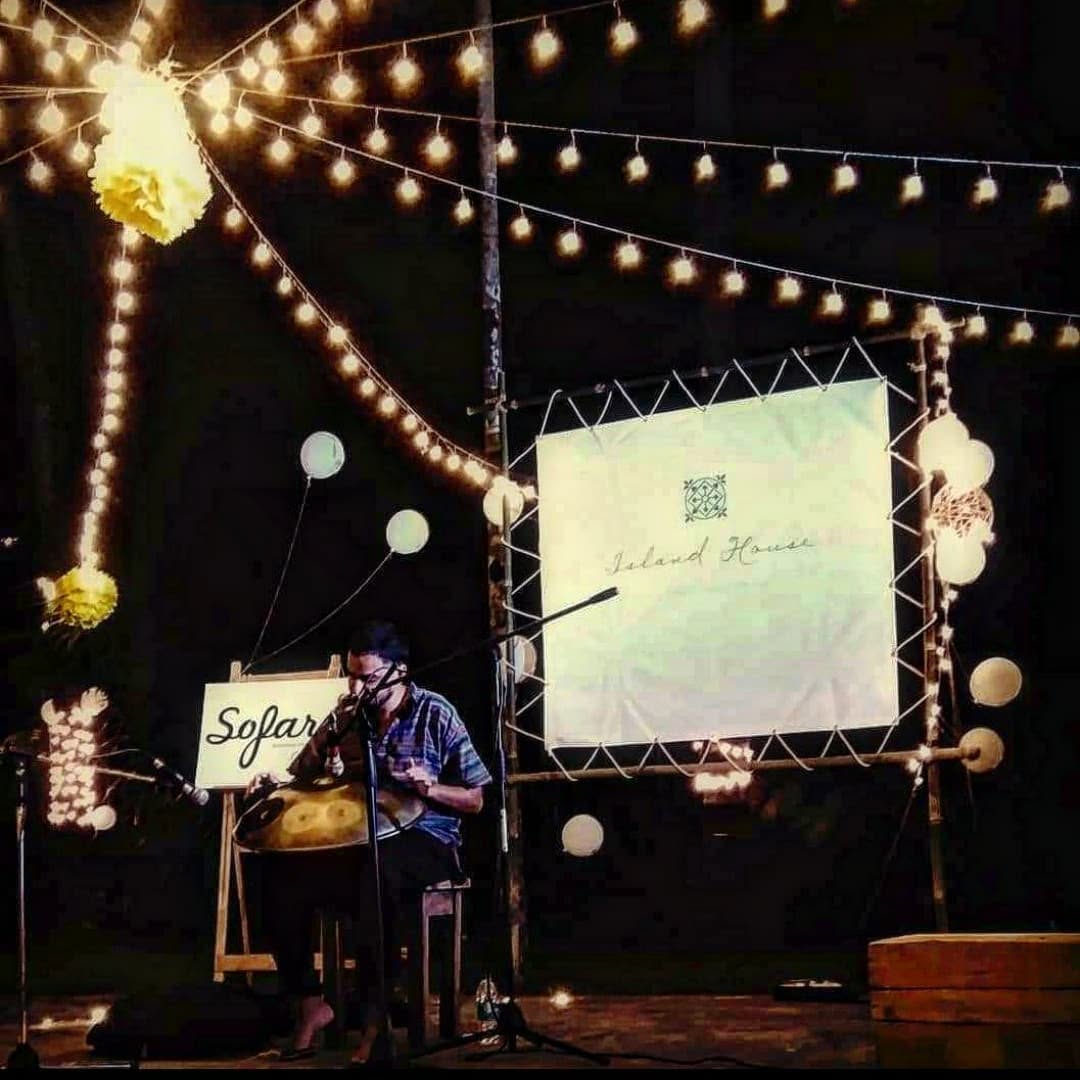
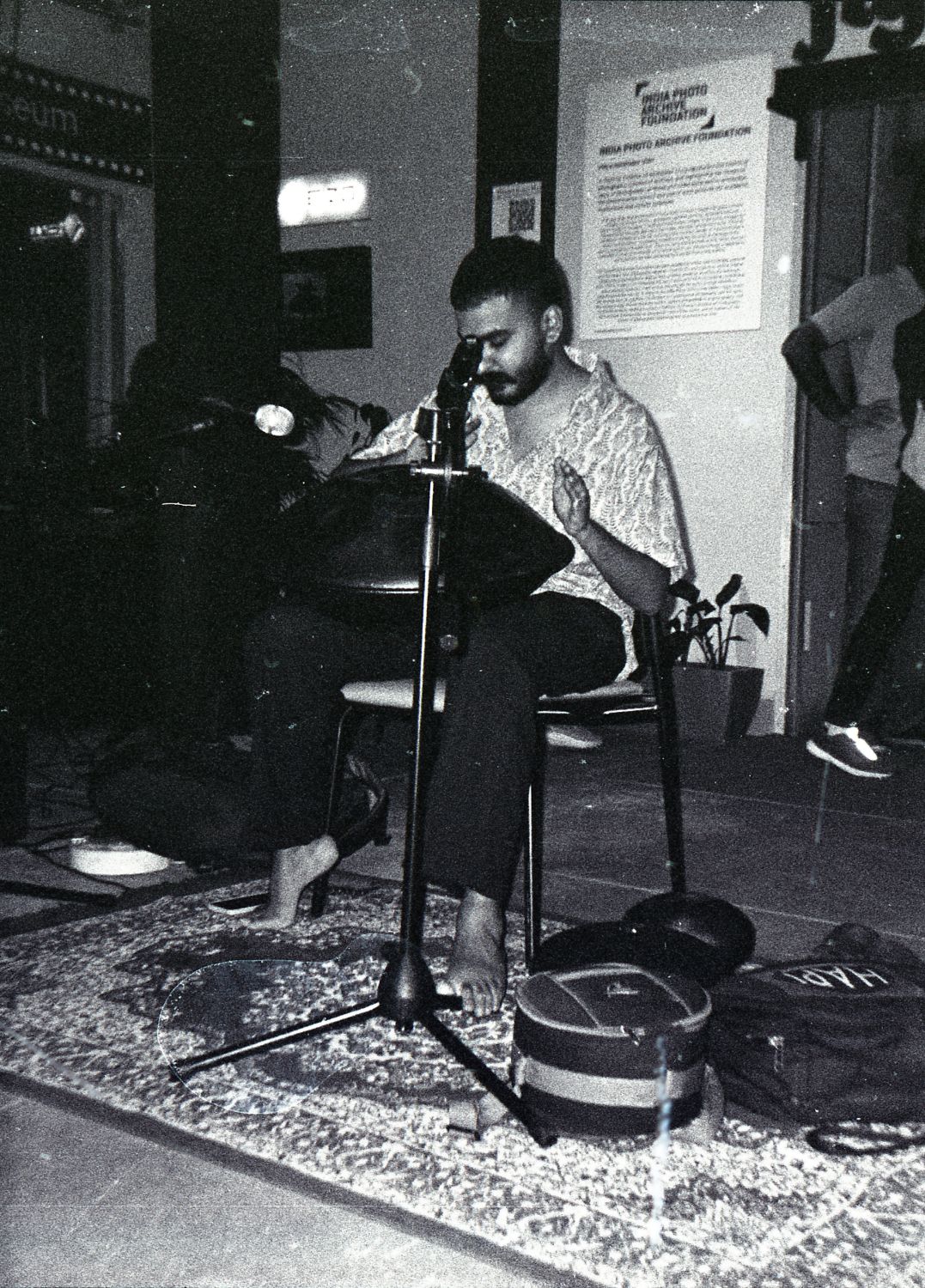
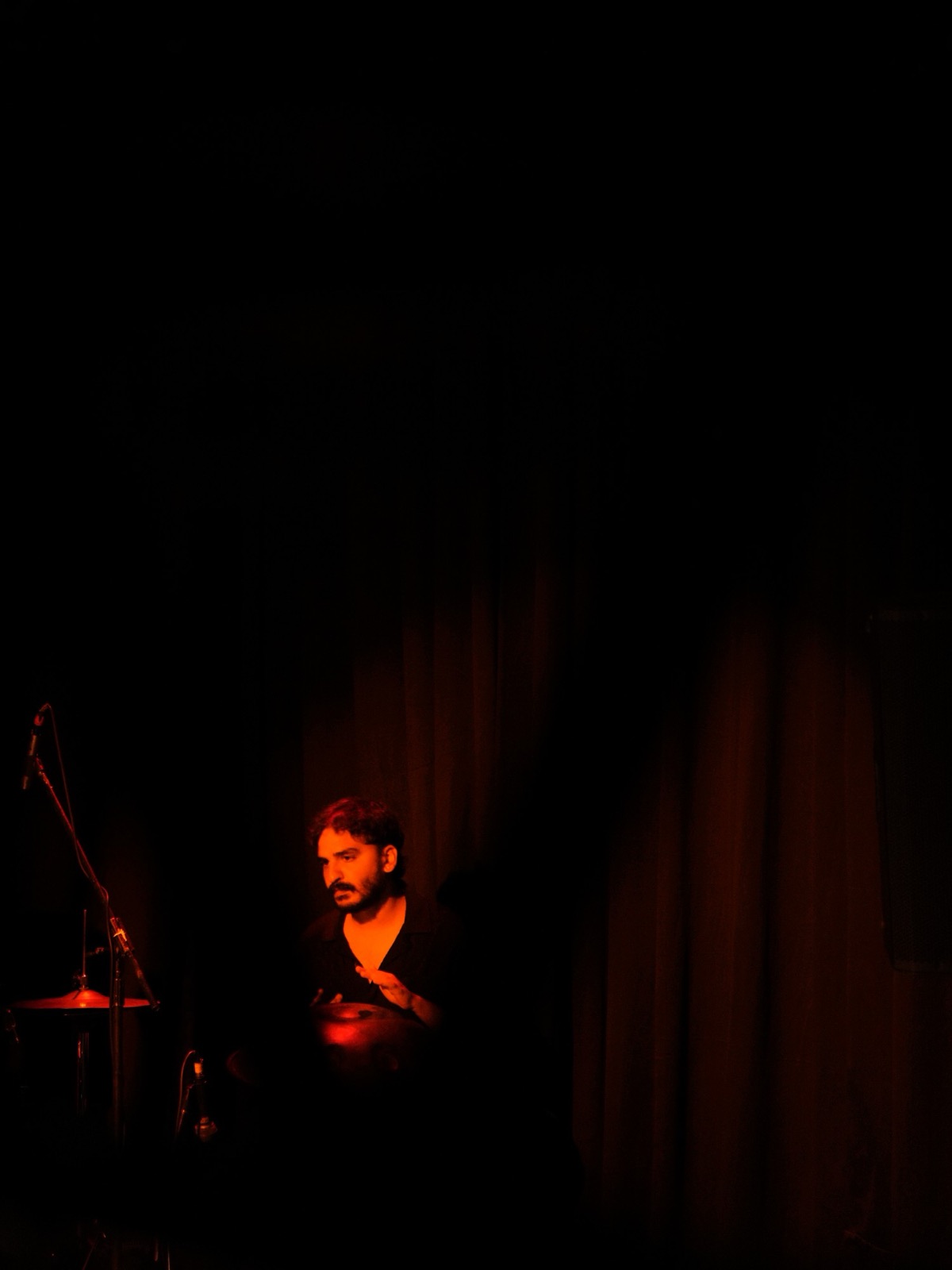
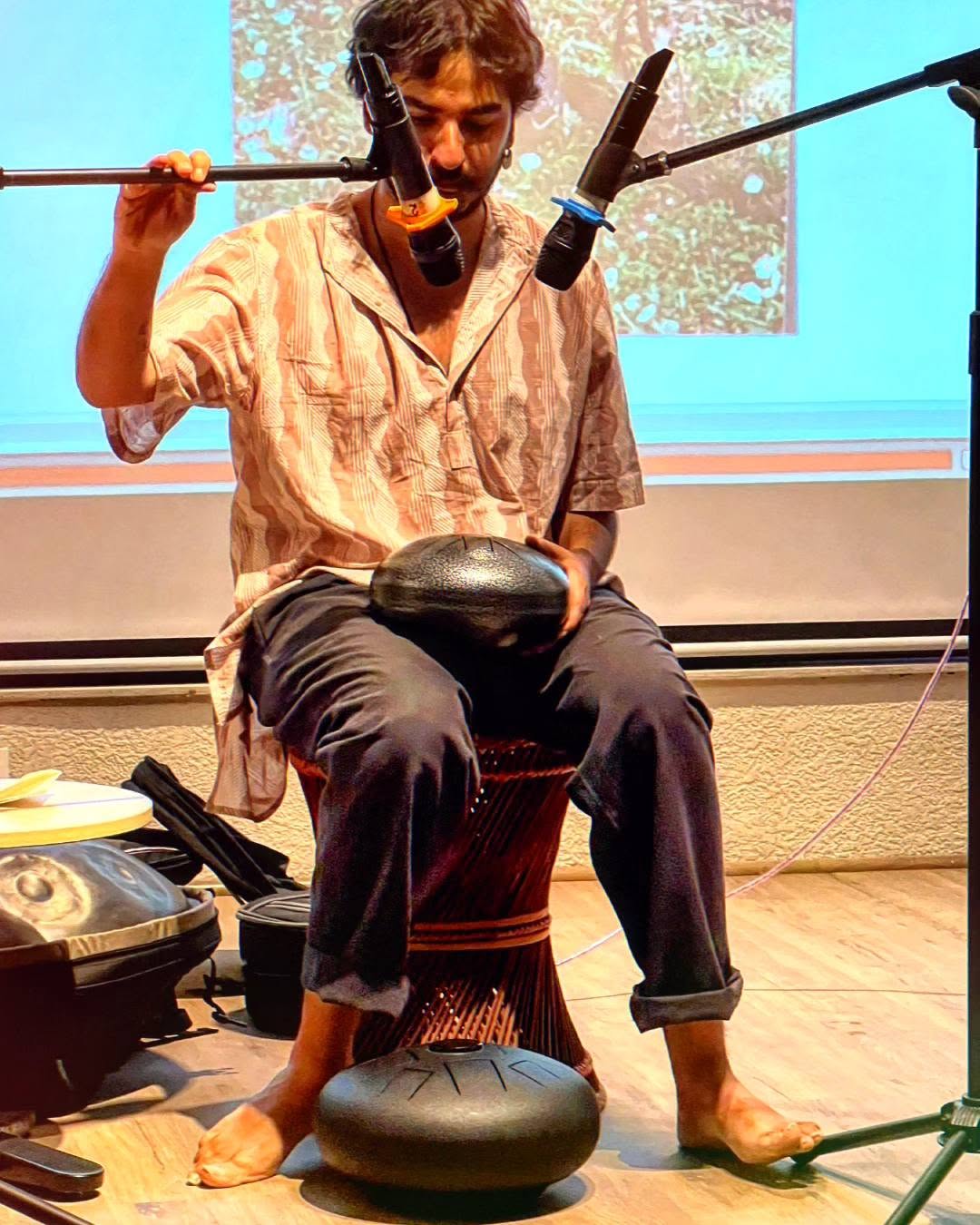
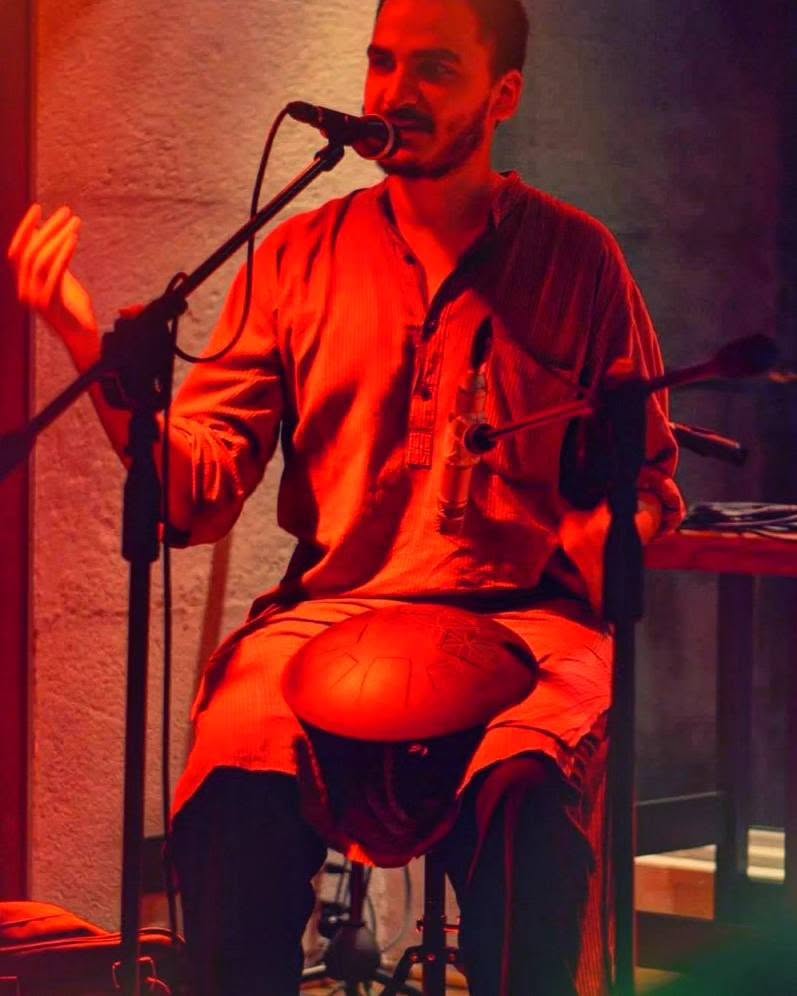
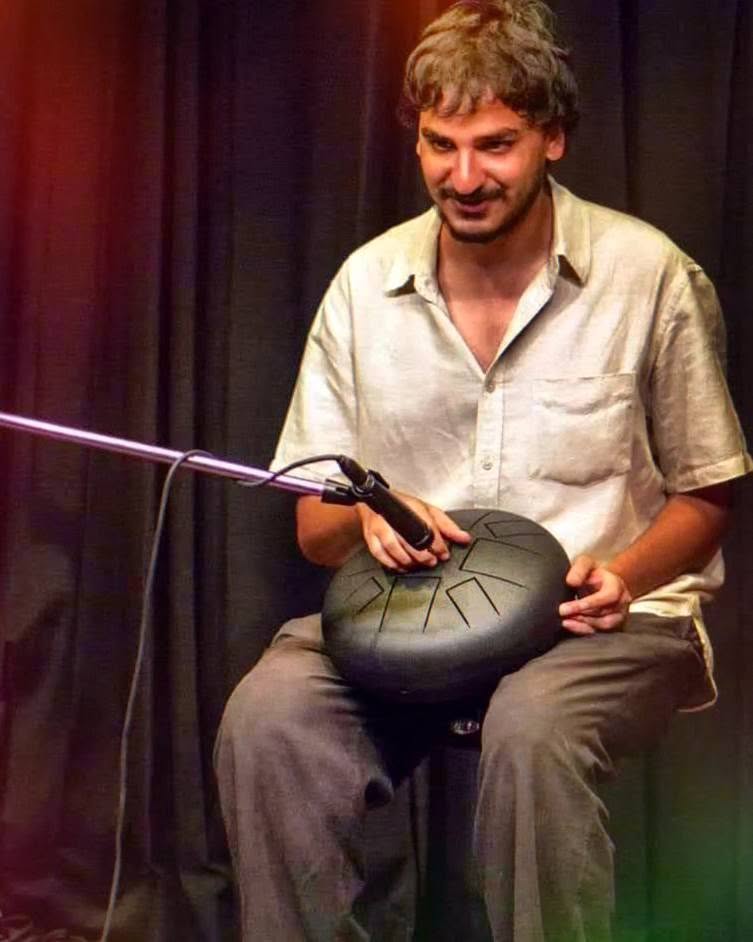
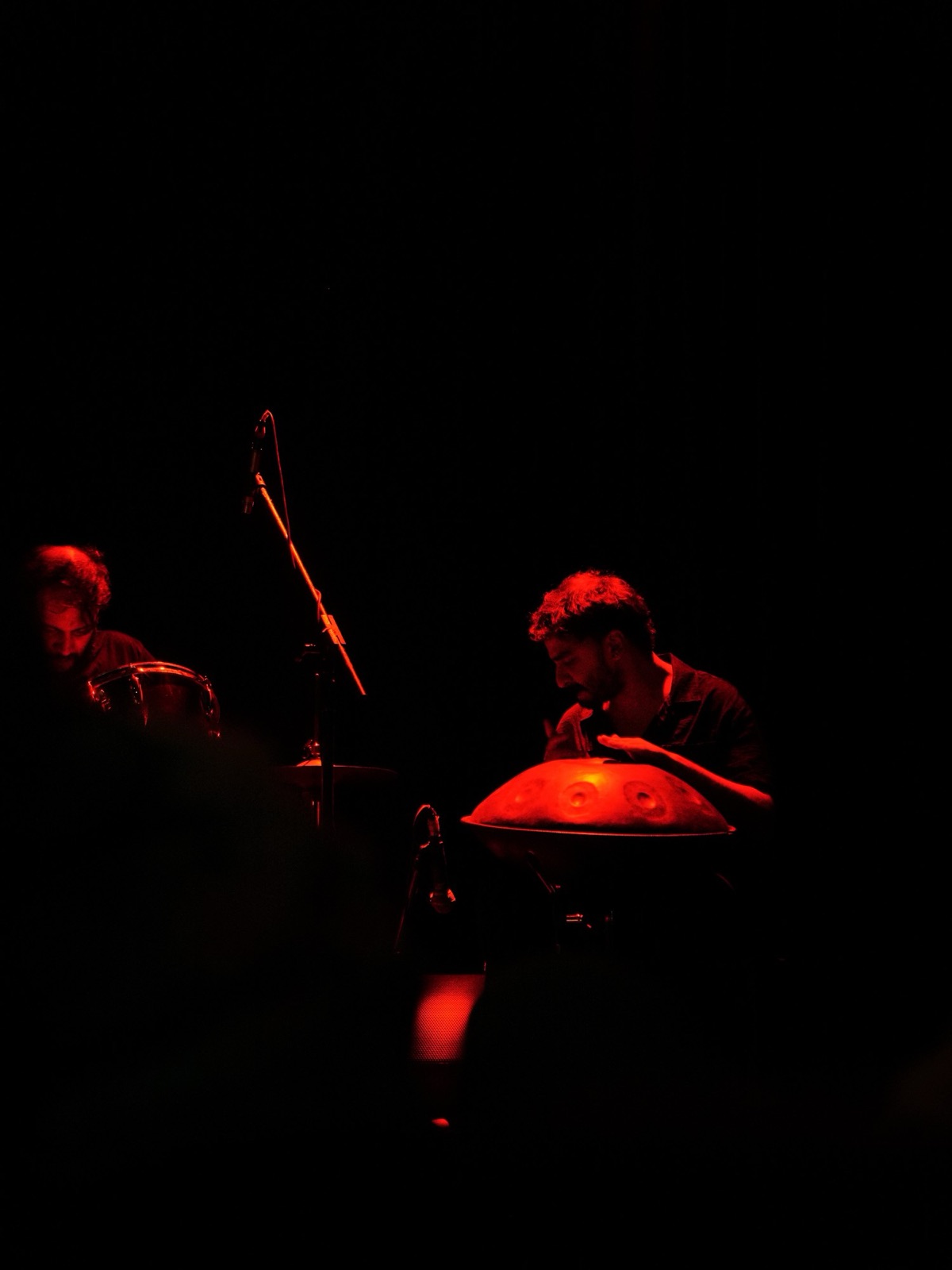
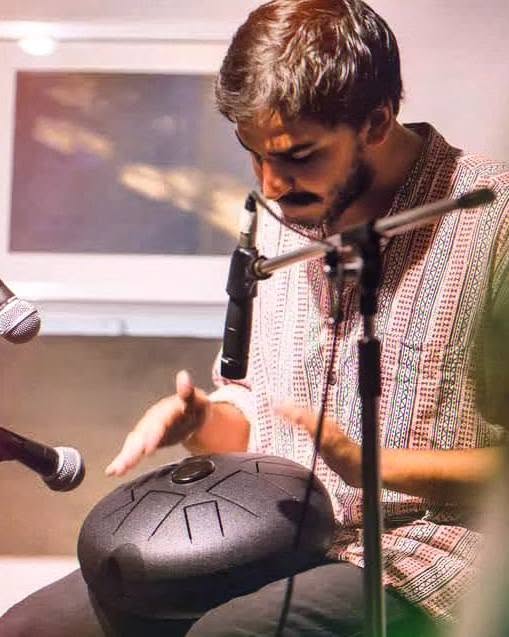
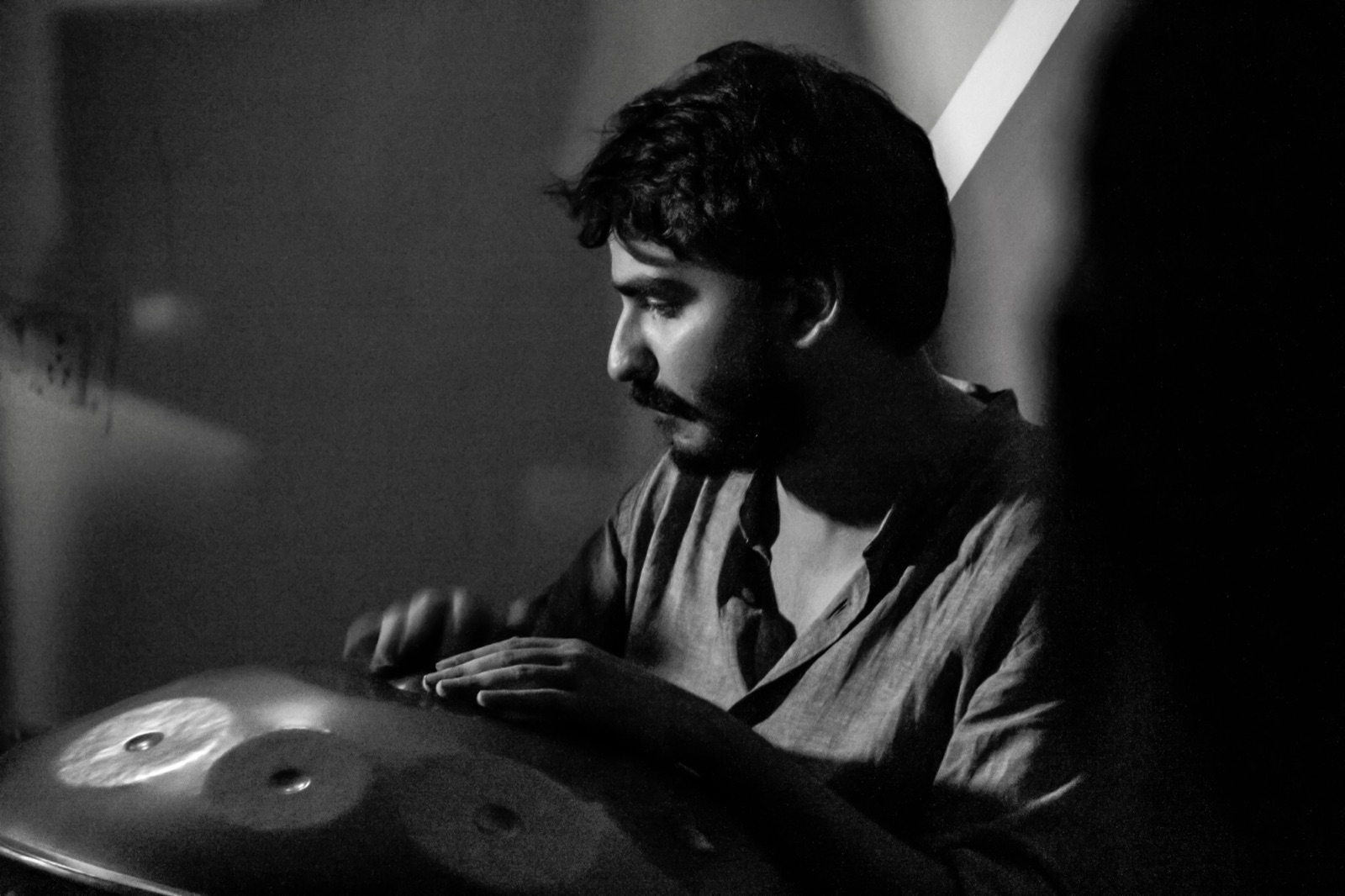
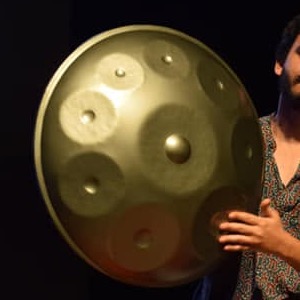
Ashim Bery is a handpan player and instrumental musician based in Delhi, India. Trained in tabla and Hindustani classical music from childhood, he began a solo project on tongue drum and handpan in 2015, and has since performed across India and internationally, from Sofar Sounds living rooms to festival stages.
His music is mostly instrumental and rooted in places and seasons. Since 2020 he has released a series of singles independently, some recorded with musicians including Vedant Sharma, Vishi Kant, Abhishek Sekhri and Abhishek Vidyarthy Singh. In 2026 he returned with “May (Amaltas)”, the first chapter of a four-part series inspired by Delhi’s seasons and the trees that announce them.
He plays live in theatre with The Play Factory, most recently in Spiral (2026), in The Patriarch, which has toured India and Bhutan since 2018, and in One BHK. He has improvised with the Dilli Improvisers Orchestra under Raymond MacDonald, played festivals including the Bir Music Festival, Nariyal Pani and Major & Minor in Goa, spoken and played at TEDxMAIT, and in September 2026 opened for Chet Faker in Gurugram.
Much of the wider work is about listening — to the instrument, to the room, and to the places where sound happens.
Everything I write starts with something lived — a place, a person, a conversation over chai. The handpan holds those memories the way a home does: warm, close, a little worn in. When I play, I'm really just telling you a story.
“May (Amaltas)” is the first chapter of a four-part series about Delhi’s seasons and the trees that seem to announce them before the weather does. It was his first new music in four years. The next chapter, “October”, is in the works.
Written in 2018, it grew out of childhood summers in Dalhousie: walks through Bakrota, picnics in Khajiar, the daisy fields of Kalatop, and chai with namakpara at a tiny stall remembered as Machlu.
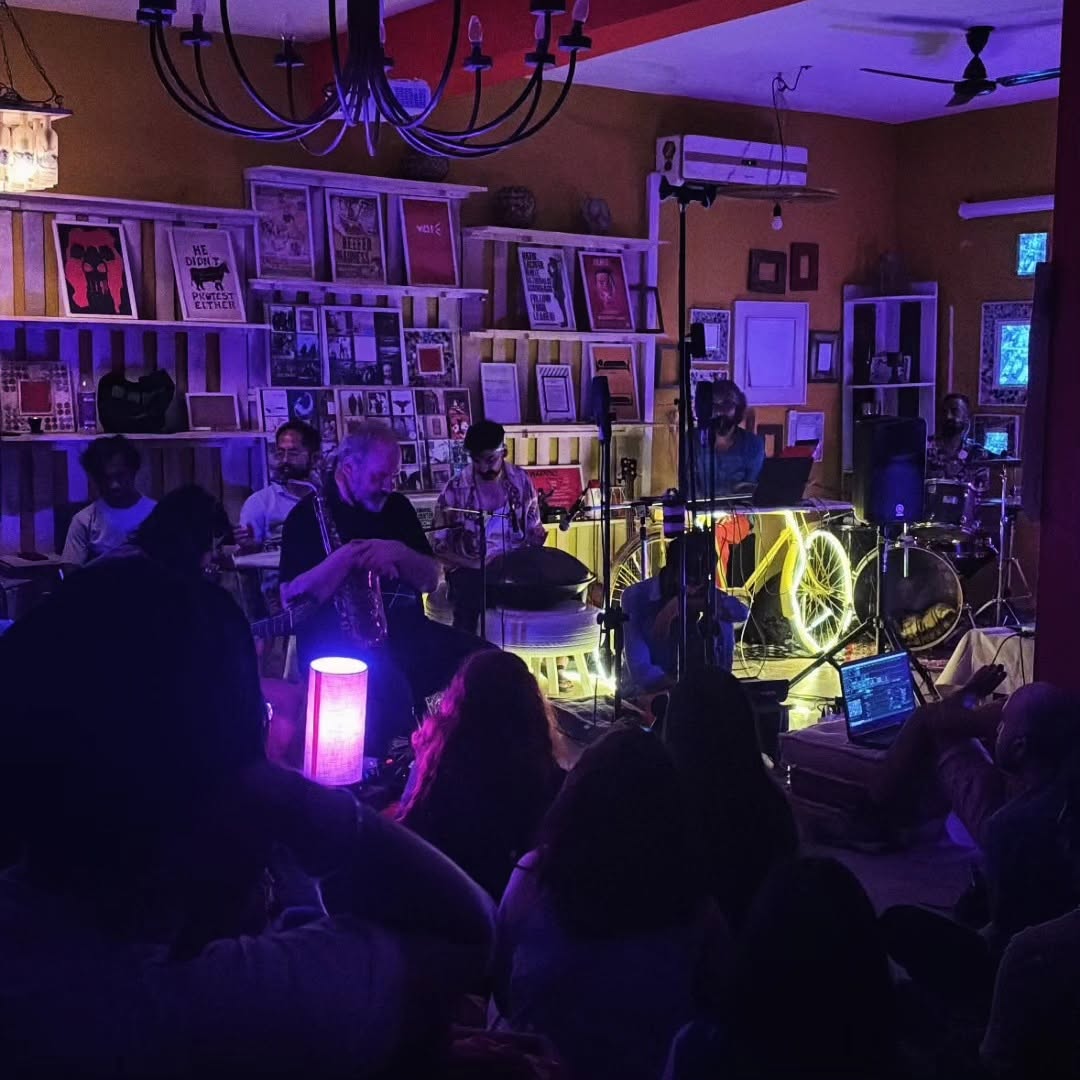
Living rooms with Sofar Sounds in Goa, Jaipur and Dehradun; Songs & Stories, his landmark 2023 show with W.I.P Labs; theatre stages with The Play Factory; festivals in the hills and by the sea. The room is part of the music.
Alongside concerts, Ashim works with theatre makers and other musicians: playing live inside a performance, improvising in ensembles, and sharing stages.
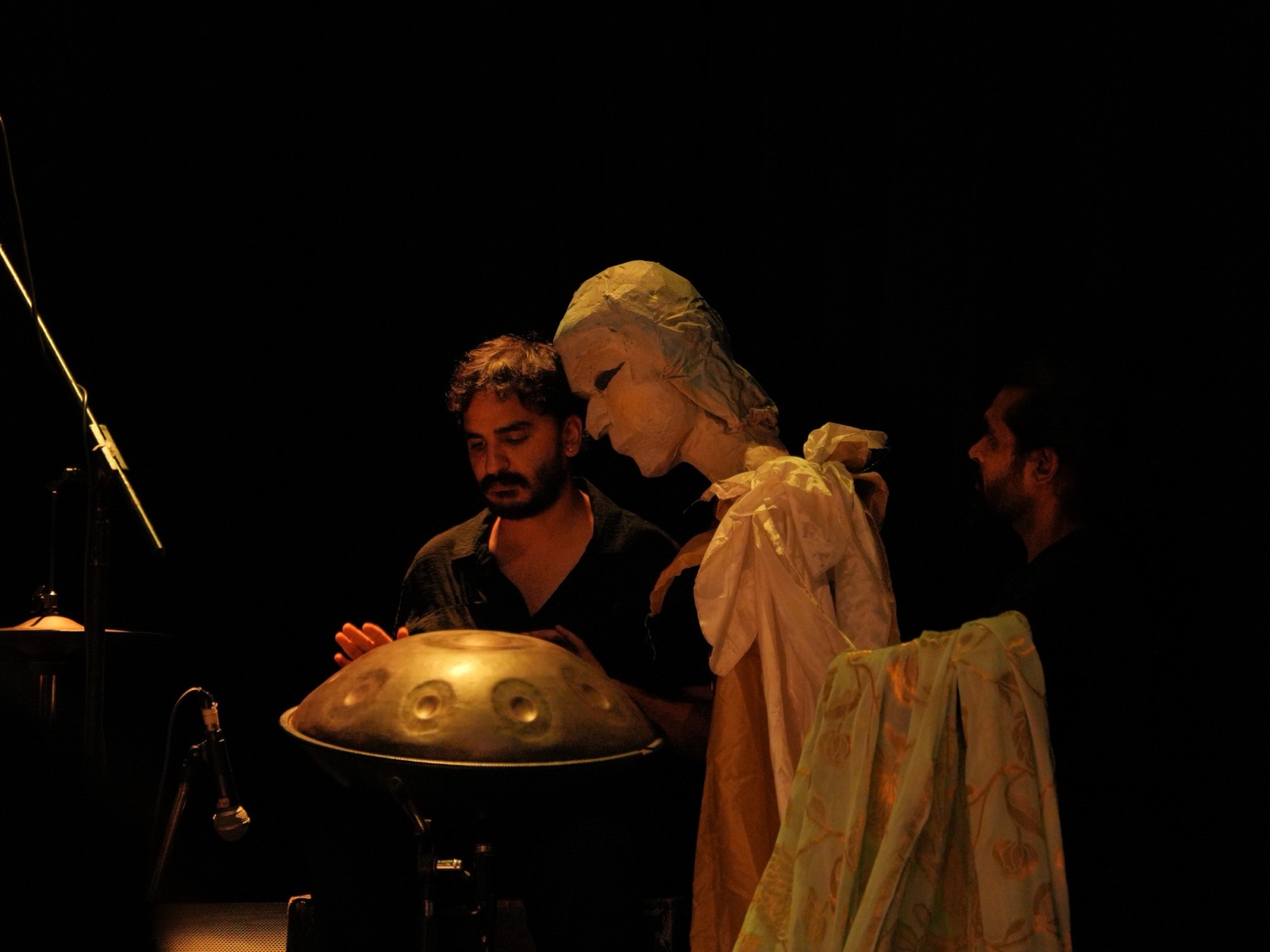
Spiral is a one-woman performance about how women move through fear, surveillance and abuse in urban India, told through three fictionalised stories across public and private spaces.
The music is played live and shapes the rhythm of the piece as much as the spoken word; The Hindu wrote that the drums and handpan keep up a sense of constant tension. Spiral ran for four shows in the summer of 2026: The Immersion Room, Gurugram (10 May), The Piano Man, New Delhi (24 May), The Piano Man, Gurugram (31 May) and Oddbird Theatre, New Delhi (2 August).
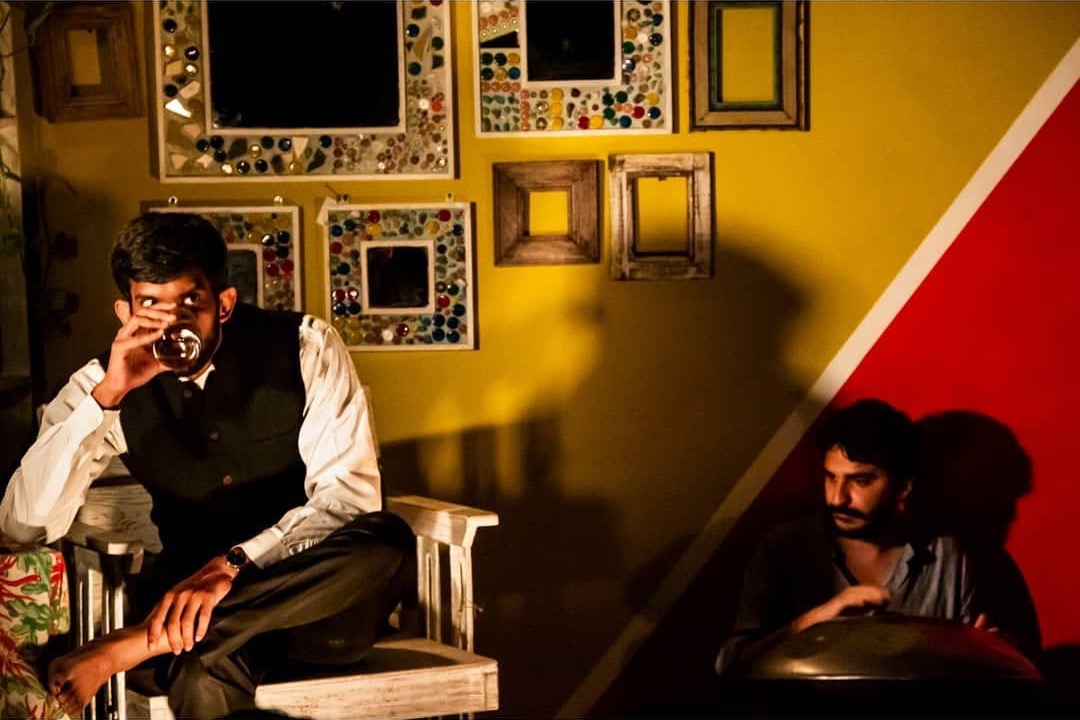
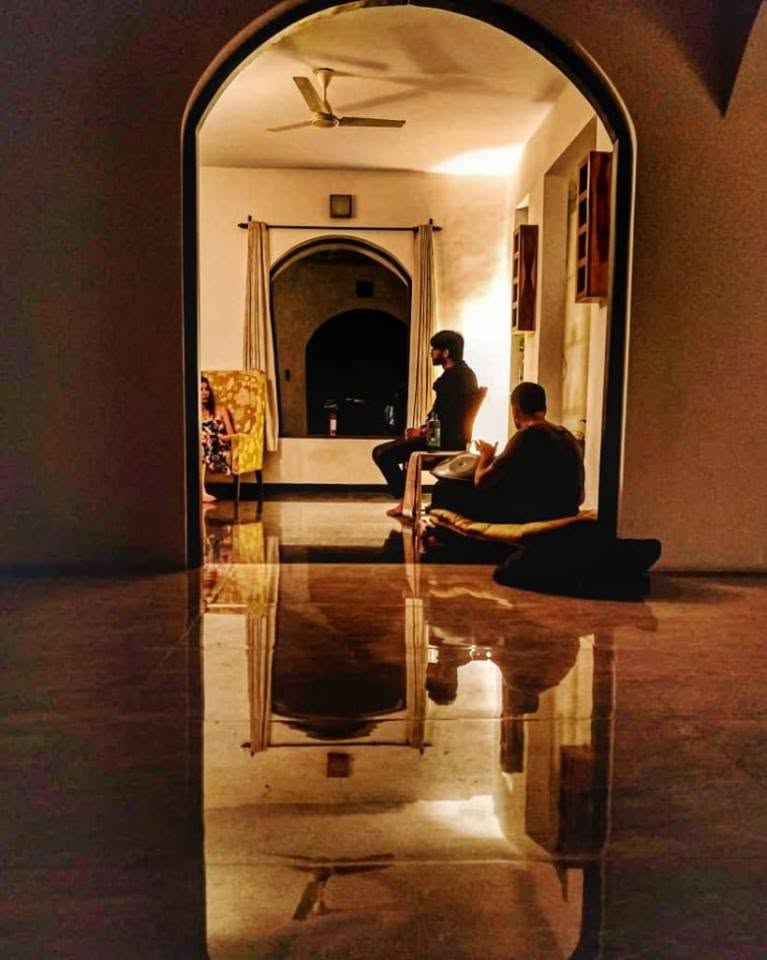
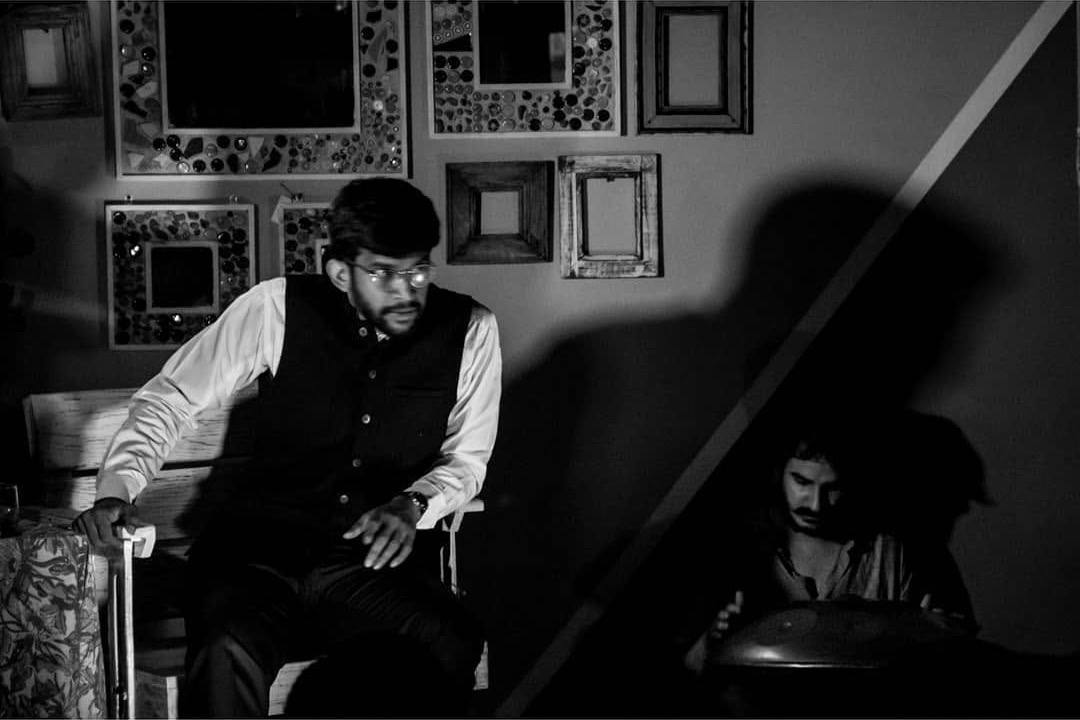
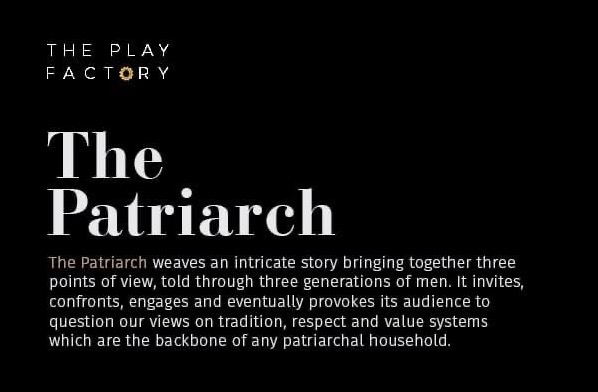
Three points of view, three generations of men. The Patriarch follows a business family in Kolkata and asks its audience to look again at tradition, respect and the value systems that hold a patriarchal household together.
Since 2018 the play has travelled to homes, studios and stages across India, and in 2024 to Bhutan for its most recent show, with the handpan played live alongside the actors in each space.
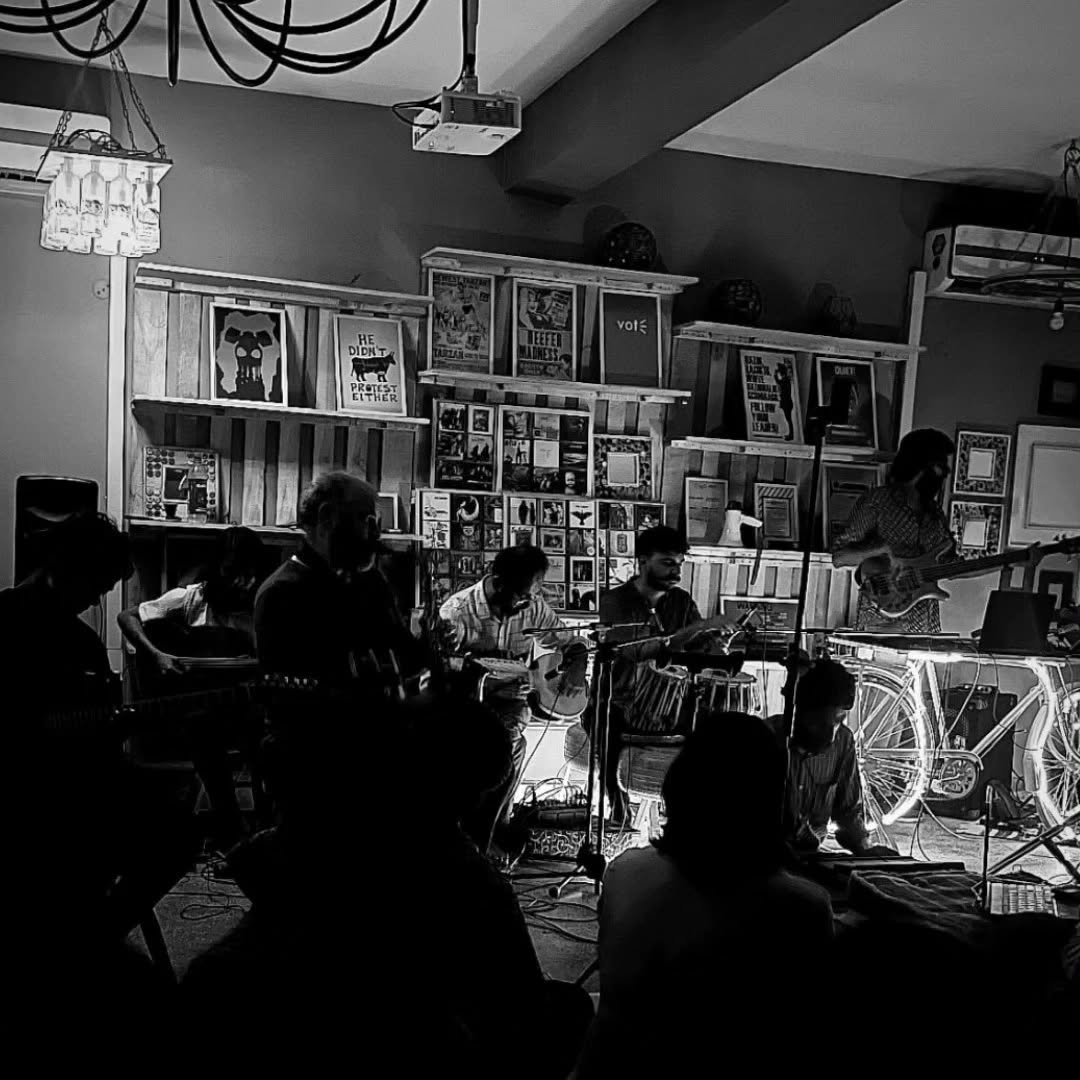
The Dilli Improvisers Orchestra describes itself as India's first orchestra for free improvisation. In December 2024 Ashim played with the ensemble at W.I.P alt.FEST in Delhi, led by Raymond MacDonald.
Musicians from jazz, Hindustani classical, modular synthesis and electronic music make the piece together in the moment, without a fixed score.
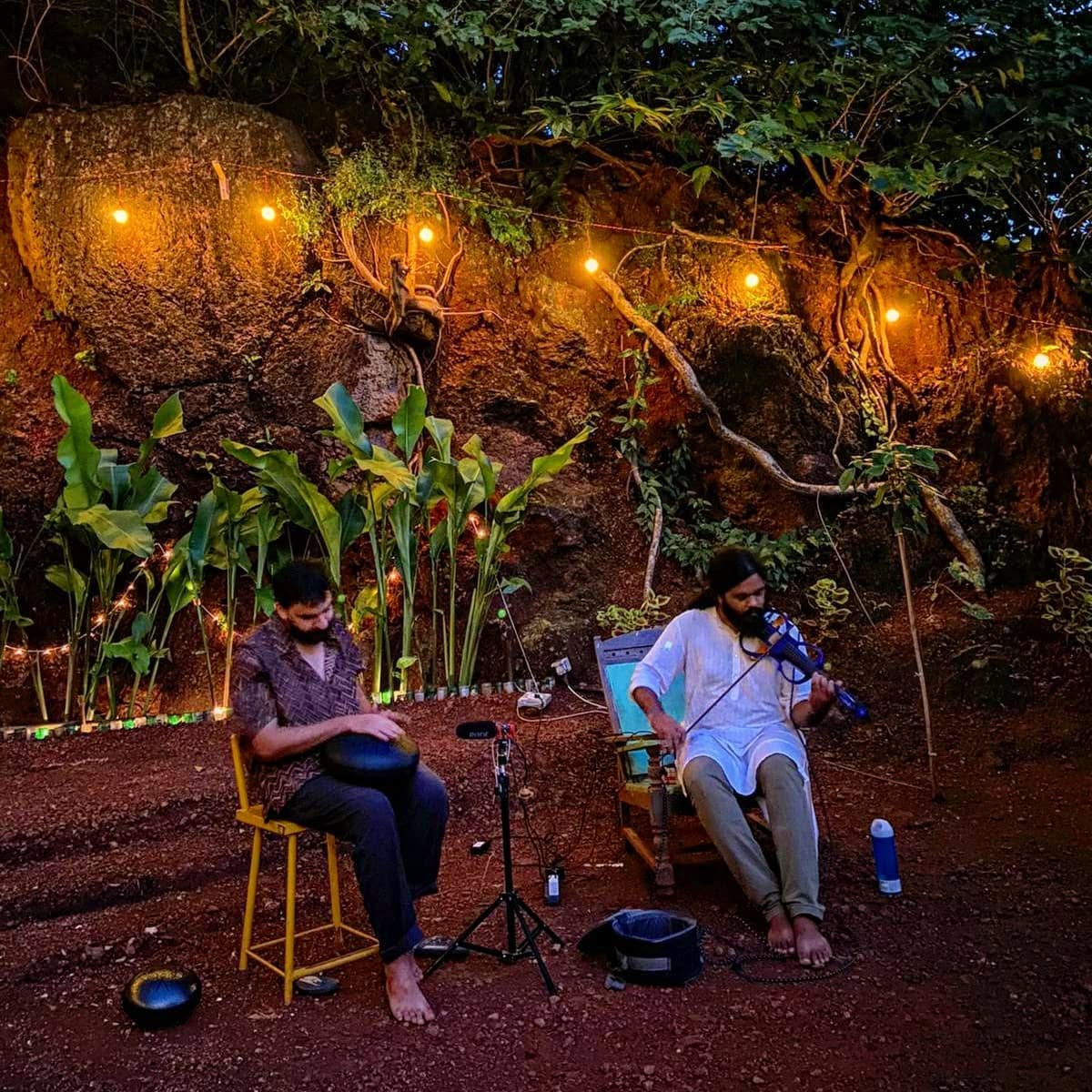
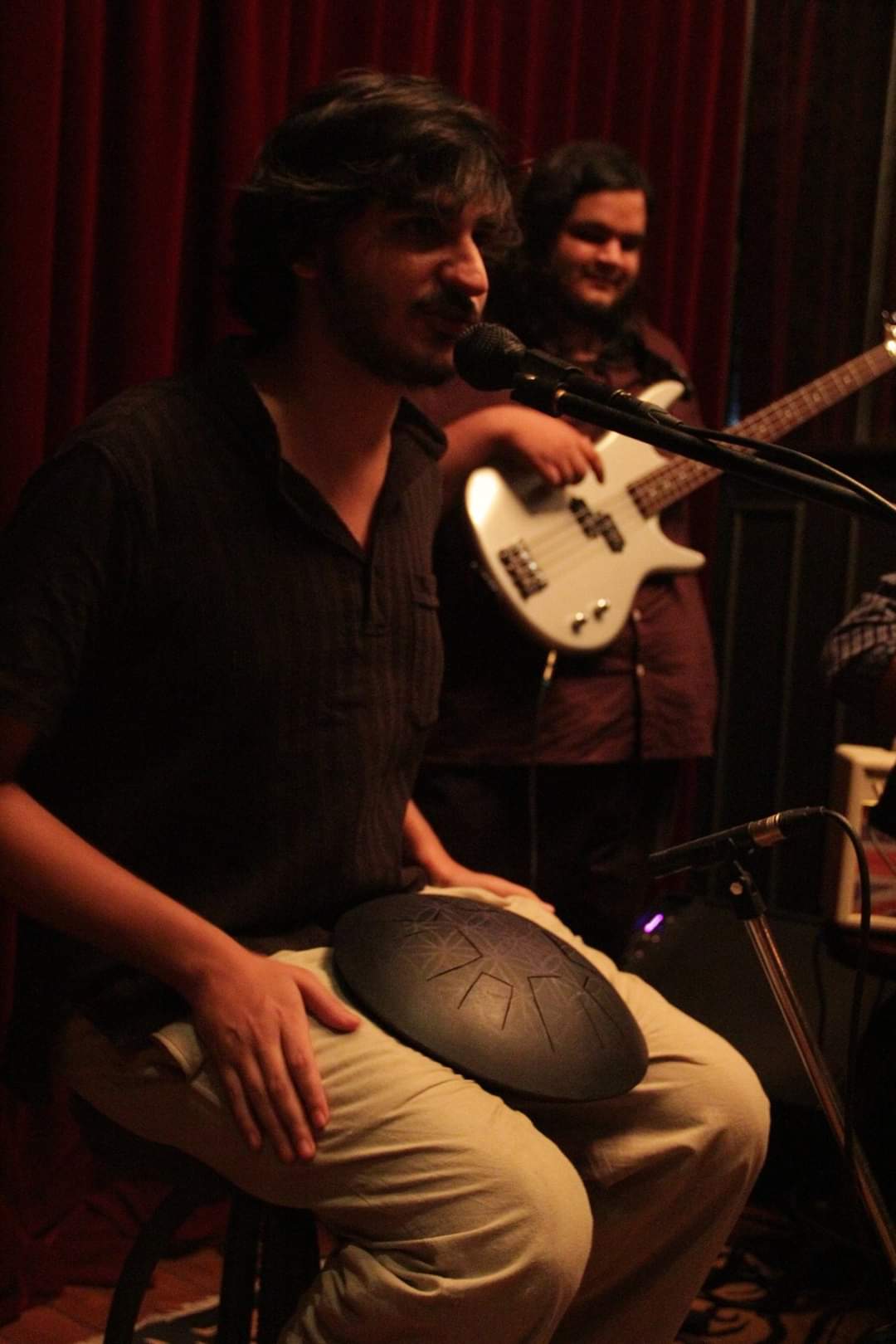
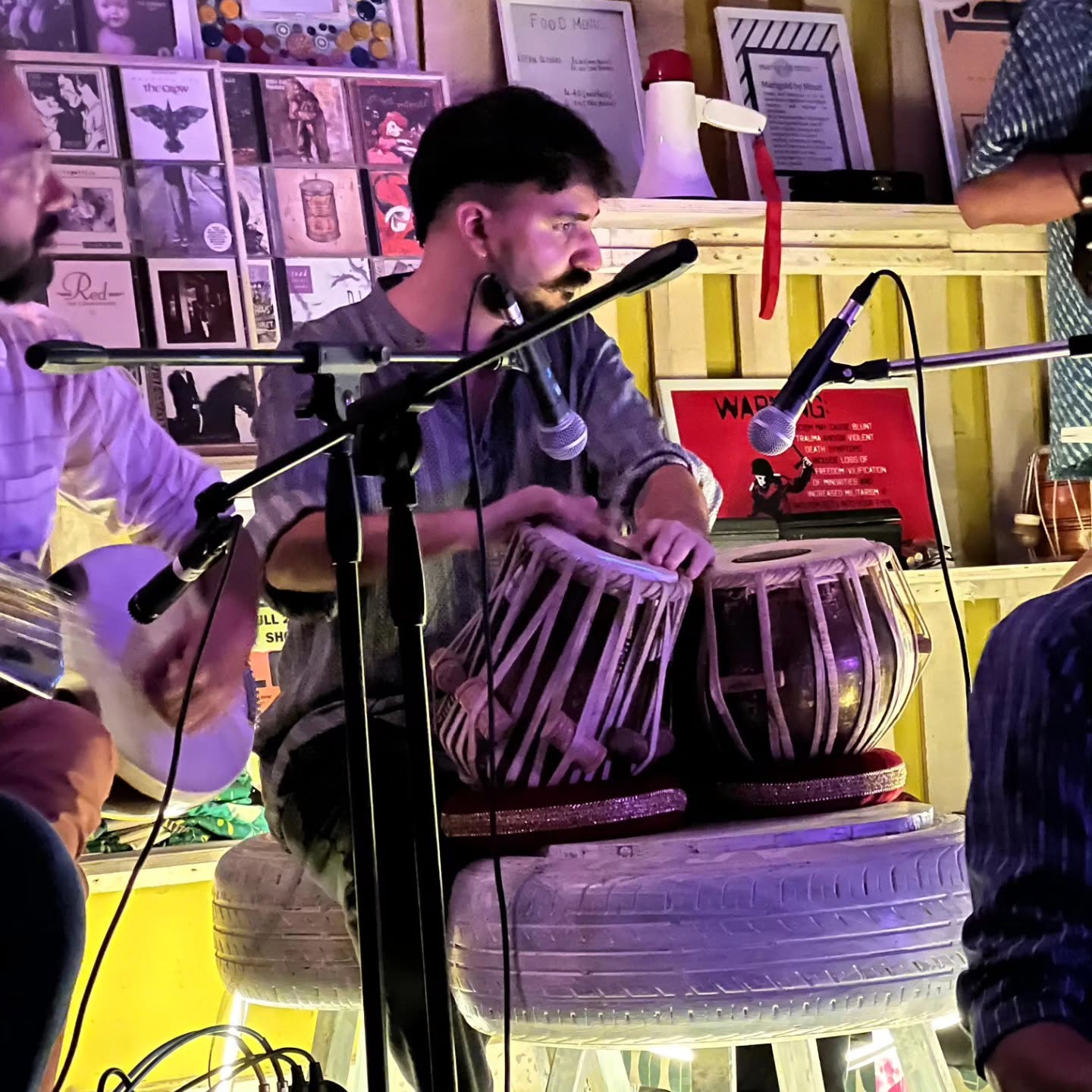
Duos, ensembles and performances alongside other artists.
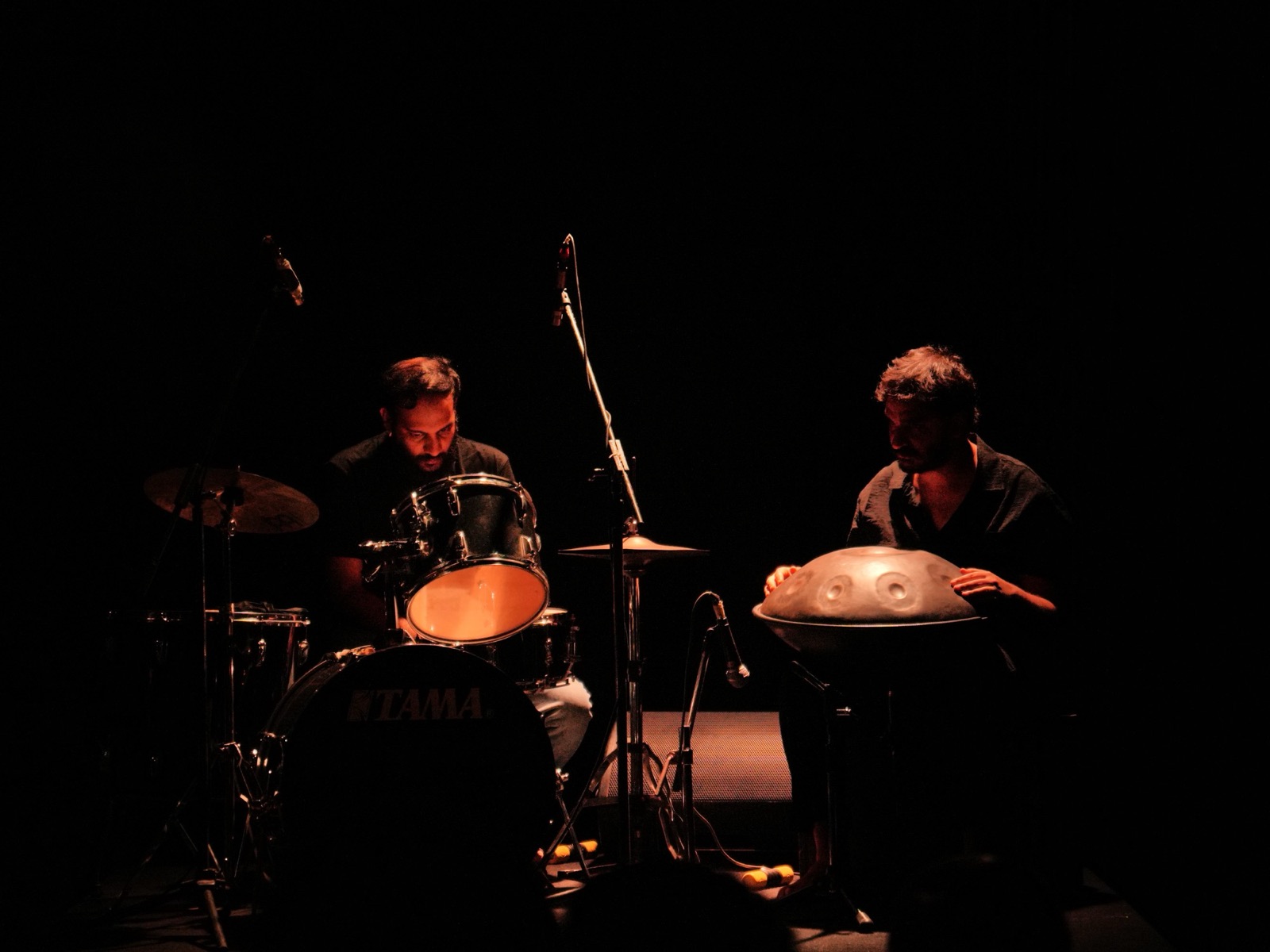
Open to collaborations in
Live performances, sessions and music videos. Nothing loads until you press play.
The second chapter of the four-part series that began with “May (Amaltas)”, following Delhi’s seasons through the trees that announce them.
Follow for the releaseThe instrument Ashim plays belongs to a young family of steel instruments that grew out of a single Swiss invention around the turn of the millennium.
In Bern, Switzerland, Felix Rohner and Sabina Schärer of PANArt — a workshop that had been building steelpan instruments — developed a new instrument played with the hands, and presented it publicly in 2001. They named it the Hang, Bernese German for “hand”.
PANArt has described its origin as a meeting between their own steel instruments and the ghatam, the clay pot of South Indian classical music.
Two shells of hardened, nitrided steel are joined at the rim. The upper shell carries a central dome, the ding, surrounded by seven or eight hammered tone fields, each tuned to a note along with its overtones.
Underneath is an opening, the gu. It turns the body into a Helmholtz resonator: the air inside sounds a low note of its own, beneath the notes of the steel.
As interest grew, other makers began building related instruments of their own. In 2007 the American workshop Pantheon Steel used the word handpan for its instrument, the Halo, and the term came to describe the whole family.
PANArt stopped making the Hang in 2013 and moved on to new instruments. “Hang” remains PANArt’s name for its own work; instruments by other builders are handpans.
Handpans are now made by independent builders all over the world. A community has grown around them through online forums (handpan.org opened in 2009), recorded video, gatherings and festivals, and players now take the instrument into concerts, theatre, film and popular music.
For concerts, festivals, theatre, licensing and commissions — or just to say hello.
Based in
Delhi, India
Or write directly: ashimbery94@gmail.com